

Affiliate disclosure: This Phytomem One review contains an affiliate link. If you purchase through it, I may earn a commission at no extra cost to you.
I’ve looked at a lot of brain-support supplements, and most sales pages sound identical: dramatic backstory, vague “breakthrough research,” a wall of testimonials, then a countdown timer. Phytomem One follows that same playbook in places — but underneath the hype, there’s an ingredient list worth taking seriously. That’s what this review actually digs into: not just repeating the marketing, but checking it against what’s published and real.
Quick summary: This Phytomem One review breaks down the formula’s 10 ingredients, checks the manufacturer’s claims against published research, and lays out real pricing, bonuses, pros, and cons — so you can decide with clear eyes, not just marketing hype.
Table of Contents
What Is Phytomem One?
Phytomem One is a brain-support supplement built around 10 ingredients. The manufacturer markets it as targeting two things at once: general cognitive function (memory, recall, mental clarity) and metabolic health as it relates to the brain (insulin sensitivity, glucose uptake in neural tissue).
One thing worth flagging early in this Phytomem One review: the sales page uses phrases like “Plastic Stranglehold” and “Type 3 Diabetes.” Neither is a recognized medical diagnosis. “Type 3 diabetes” is informal language some researchers use to describe a hypothesized link between insulin resistance and Alzheimer’s — it’s not an official classification, and no supplement is approved to treat, prevent, or cure it. Treat that language as marketing framing, not clinical fact.
Phytomem One: Brain Clarity Returns
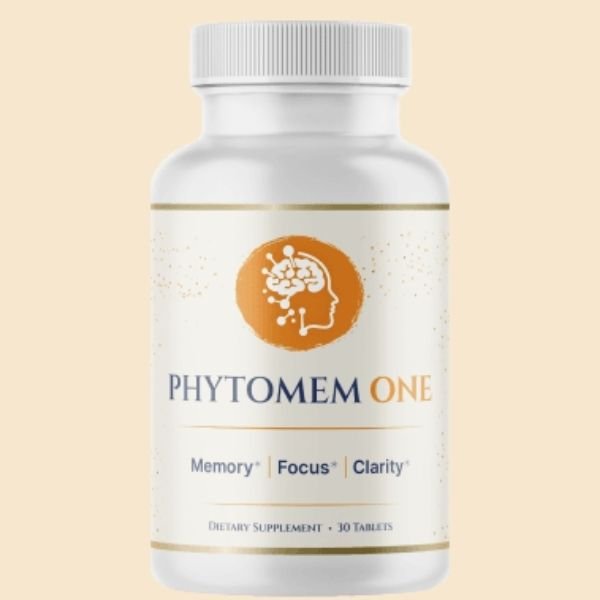
Ten Ingredients, One Daily Ritual
- Non-GMO, stimulant-free, natural daily support
- Backed by 60-day money guarantee
- Includes three free bonus guides
Phytomem One Ingredients: What the Research Actually Shows
This is the part most reviews skip. Here’s what independent, published research says about each ingredient — separate from what the seller claims.
Saffron Extract (Crocus sativus)
Small clinical trials have studied saffron mainly for mood and sleep, not memory. A randomized controlled trial in Frontiers in Nutrition found saffron extract improved emotional well-being and stress response in healthy adults over 8 weeks. That’s a real, citable result — but it’s about mood, not memory recovery.
Fucoxanthin and Fucoidan (Sea Kelp)
These compounds are studied mostly in cell and animal models for antioxidant and anti-inflammatory activity. Human clinical evidence for cognitive benefits specifically is limited.
Oleuropein (Olive Leaf Extract)
Associated in some studies with antioxidant activity and modest blood pressure support. Brain-specific human evidence is sparse.
Berberine
Per the NIH’s National Center for Complementary and Integrative Health, there’s some evidence berberine may have a modest effect on lowering blood glucose and cholesterol in people with type 2 diabetes. NCCIH’s diabetes supplement fact sheet also notes berberine as one of several supplements with “weak evidence of possible benefit” for blood sugar — but studies vary widely in size and design, so there’s no clear conclusion. Cognition-specific research is thinner still.
Ceylon Cinnamon
Some evidence supports modest effects on insulin sensitivity. Long-term cognitive benefit is unproven.
Corosolic Acid (Banaba Leaf)
Studied mainly for blood sugar support; limited human data overall.
Kudzu Flower Extract
Traditional use is well documented, but modern clinical evidence — especially for brain-targeted glucose uptake — is thin.
Morosil (Sicilian Red Orange Extract)
Most existing research focuses on metabolic markers like waist circumference and triglycerides, not cognition.
Xylitol
A sugar substitute with no meaningful cognitive research behind it. It’s likely included as a sweetener rather than an active ingredient.
Bottom line of this Phytomem One review’s ingredient check: several ingredients have some supporting research for blood sugar, mood, or inflammation markers. None have strong, direct clinical evidence for reversing memory loss — and by law, no supplement can claim to treat or cure a disease, since dietary supplements aren’t FDA-evaluated for that purpose.
Don’t forget to check out our other health guides here to complete your wellness journey.
What Actual Buyers Are Saying
Phytomem One’s own sales page features three customer quotes. Worth noting upfront: the site discloses that names and identifying details have been changed to protect privacy, so treat these as the seller’s published testimonials rather than independently verified reviews. Still, they give a sense of what the company is promising buyers will feel:
Robert T. from Texas says the product left him with noticeably sharper recall and clearer thinking. Melissa M. in Ohio describes finally being able to follow conversations without losing track — something she says gave her more confidence day to day. Elizabeth R. from Florida reports her brain fog lifting enough that she can read without losing her place.
That’s the promise. The rest of this review is about whether the ingredients backing it up hold up to scrutiny.
Phytomem One Pros and Cons
Pros:
- Ingredient list draws from compounds with at least some published research (mainly for metabolic and mood-related effects)
- Non-GMO and stimulant-free, per the manufacturer
- 60-day money-back guarantee reduces financial risk
- Multi-bottle pricing lowers the per-bottle cost for longer-term buyers
Cons:
- Marketing language overstates what’s scientifically established (“Plastic Stranglehold,” informal “Type 3 Diabetes”)
- No published clinical trial data on the finished Phytomem One formula — only on some individual ingredients in isolation
- Testimonials on the sales page note that names/identifying details were changed, so they can’t be treated as independently verified reviews
- Only available direct from the manufacturer, limiting price comparison
- FAQ claims like “improvements in a few weeks” are the seller’s own framing, not independently measured results
- Bonus e-book dollar values are the seller’s own figures, not independently appraised
Phytomem One Bonuses (Included With Every Order)
Every order, per the sales page, includes three digital guides at no extra cost:
| Bonus | Stated Value | What It Covers |
|---|---|---|
| The Memory Shield Diet | $97 | Foods framed as supporting or harming brain health, attributed to “Dr. Nakamura” |
| The 5-Minute Brain Reboot | $67 | A short daily routine framed as a cognitive-recovery method |
| The Caregiver’s Survival Guide | $50 | Guidance for family members supporting a loved one through memory-related challenges |
Combined stated value: $214. As with the main product, treat these as marketing estimates, not appraised prices — they aren’t sold separately, so there’s no independent way to verify the figures.
Phytomem One Pricing
| Package | Bottles | Price per Bottle | Total |
|---|---|---|---|
| Starter | 2 | $79 | $158 + shipping |
| Advanced | 3 | $59 | $177 |
| Ultimate | 6 | $49 | $294 |
All tiers reportedly include the three bonus guides and a 60-day refund window.
Phytomem One FAQ
Is Phytomem One FDA-approved? No. Like all dietary supplements, it isn’t evaluated or approved by the FDA to diagnose, treat, cure, or prevent any disease.
How long before I’d notice anything? The manufacturer’s page says “many users report” improvements in clarity, recall, and morning sharpness within a few weeks. That’s the seller’s own framing, not a clinical guarantee — individual response to any supplement varies, so treat this as a possibility, not a promise.
How is it taken? One capsule daily with food, per the label instructions on the sales page.
Are there recurring charges? No, according to the sales page — it’s described as a one-time purchase with no subscription or auto-ship. Your card statement will reportedly show a discreet “CLICKBANK” charge rather than the product name, which is standard for ClickBank-processed orders. Still worth double-checking the final checkout screen before you confirm, since promotional terms can change.
Should I talk to my doctor first? Yes — especially if you take medication for diabetes or blood sugar. Several ingredients here (berberine, cinnamon, banaba leaf) can affect blood glucose and may interact with prescription drugs. WebMD’s berberine safety overview is a useful starting point for interaction questions to bring to your doctor.
What’s the return policy? A 60-day money-back guarantee, handled by emailing the seller’s support address directly for a refund.
Should You Buy Phytomem One?
If you want a multi-ingredient supplement built around some research-backed compounds for blood sugar, mood, and antioxidant support, Phytomem One’s formula isn’t unreasonable on its face.
But go in with realistic expectations. This Phytomem One review found a supplement with some promising individual ingredients — not a clinically proven memory-loss treatment. The sales page’s science framing goes further than the underlying research supports.
If you decide to try it, the 60-day guarantee gives you a way to get your money back if it doesn’t work for you.
👉 View current Phytomem One pricing and the official guarantee